
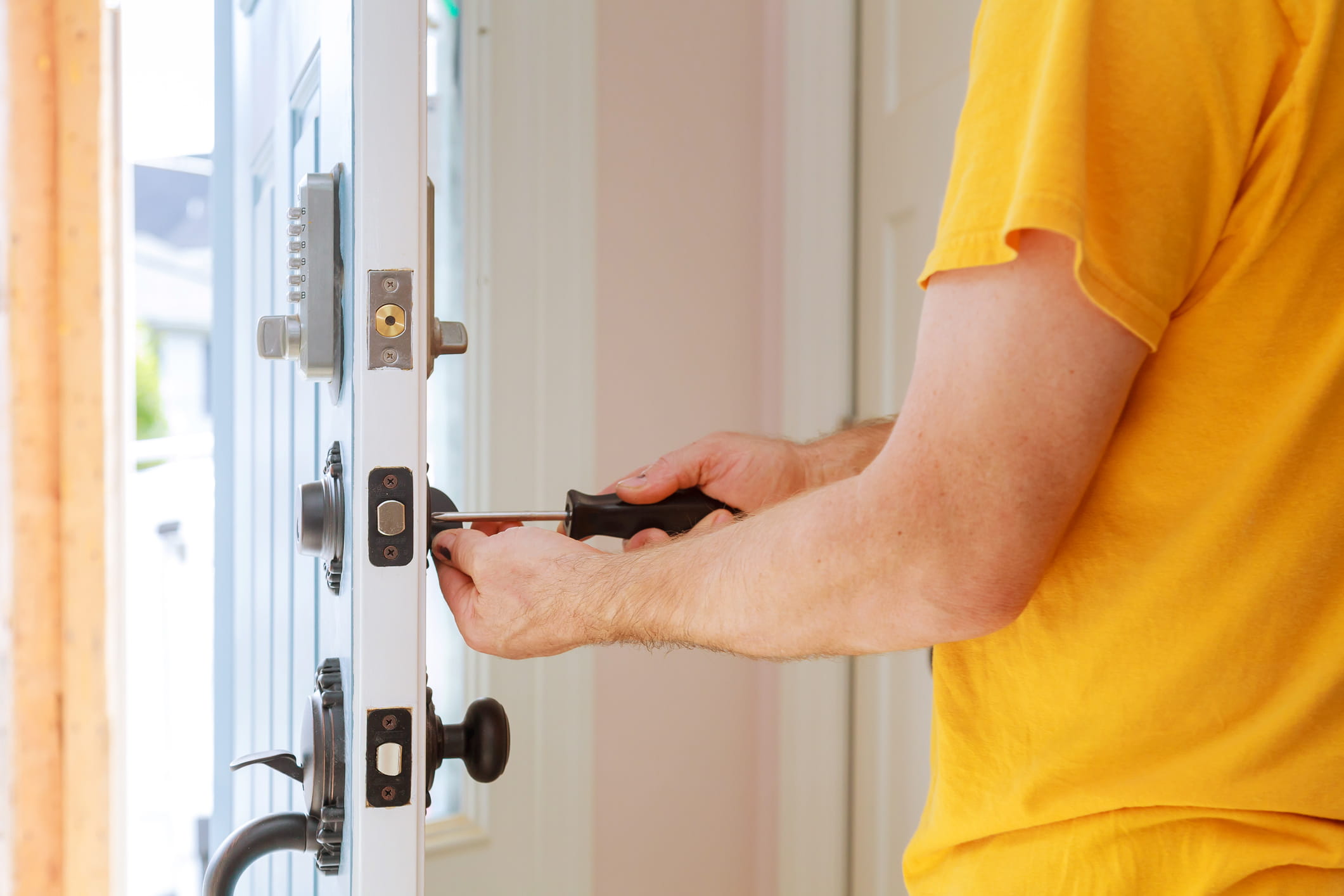
When a marriage is breaking down, emotions often run high. If one spouse moves out—or the relationship becomes especially tense—the spouse remaining in the home may wonder whether it’s legal to change the locks.
The answer isn’t always straightforward. While you may want to protect your privacy or create some distance, changing the locks during a divorce can have legal consequences, especially if both spouses have legal rights to the home.
At the Law Office of Stuart E. Bruers, based in Torrance and serving clients throughout Los Angeles County, Orange County, the South Bay, and the San Gabriel Valley, we help clients understand their rights and responsibilities during every stage of the divorce process.
Can I Change the Locks If We Both Own the Home?
In many cases, no—not without first understanding your legal rights.
If both spouses have an ownership interest in the home, or if the home is considered community property, one spouse generally cannot simply lock the other out without legal authority.
Even if your spouse has temporarily moved out, they may still have legal rights regarding access to the property until the court orders otherwise or the parties reach an agreement.
What If My Spouse’s Name Isn’t on the Deed?
Not necessarily.
California’s community property laws can give a spouse legal rights in the marital residence even if only one spouse’s name appears on the deed or mortgage.
Ownership rights during a divorce often depend on several factors, including:
- When the home was acquired
- How it was paid for
- Whether it is separate or community property
- Existing court orders
Because every situation is different, it’s important not to assume that the deed alone determines who has the right to occupy the home.
What If I Feel Unsafe?
Safety is different.
If there has been domestic violence, threats, harassment, or other behavior that puts you or your children at risk, the court may issue protective orders that affect who can remain in the home.
Depending on the circumstances, a judge may:
- Grant exclusive use of the residence
- Issue a domestic violence restraining order
- Order one spouse to move out
- Restrict contact between the parties
If you believe you are in immediate danger, your safety should always be your first priority.
What If My Spouse Already Moved Out?
Even if your spouse voluntarily leaves the home, changing the locks without an agreement or court order may still create legal issues.
Before taking that step, consider questions such as:
- Was the move intended to be permanent?
- Are there existing custody or property orders?
- Does your spouse still have personal belongings in the home?
- Have you both agreed that one person will remain in the residence?
What seems like a simple decision can quickly become part of a larger property or custody dispute.
Should I Talk to an Attorney Before Changing the Locks?
In most situations, yes.
Before changing the locks, an experienced family law attorney can help you understand:
- Your legal rights regarding the home
- Whether any court orders are already in place
- How your decision could affect the divorce
- Whether there are safer legal options available
Taking the right steps at the beginning can help avoid unnecessary conflict later.
Why Experience Matters
Questions about the family home often involve more than property rights—they can also affect child custody, temporary living arrangements, and the overall tone of the divorce. Making informed decisions can help protect your interests while avoiding actions that could complicate your case.
With more than 30 years of family law experience, attorney Stuart E. Bruers helps clients throughout Southern California navigate difficult divorce issues with practical advice and experienced legal representation.
Take the Next Step
If you’re considering changing the locks during a divorce or have questions about your rights to the family home, contact the Law Office of Stuart E. Bruers today. We represent clients throughout Torrance, Redondo Beach, Long Beach, Beverly Hills, Pasadena, and surrounding Southern California communities, providing trusted guidance through every stage of the divorce process.